Veneers Amsterdam

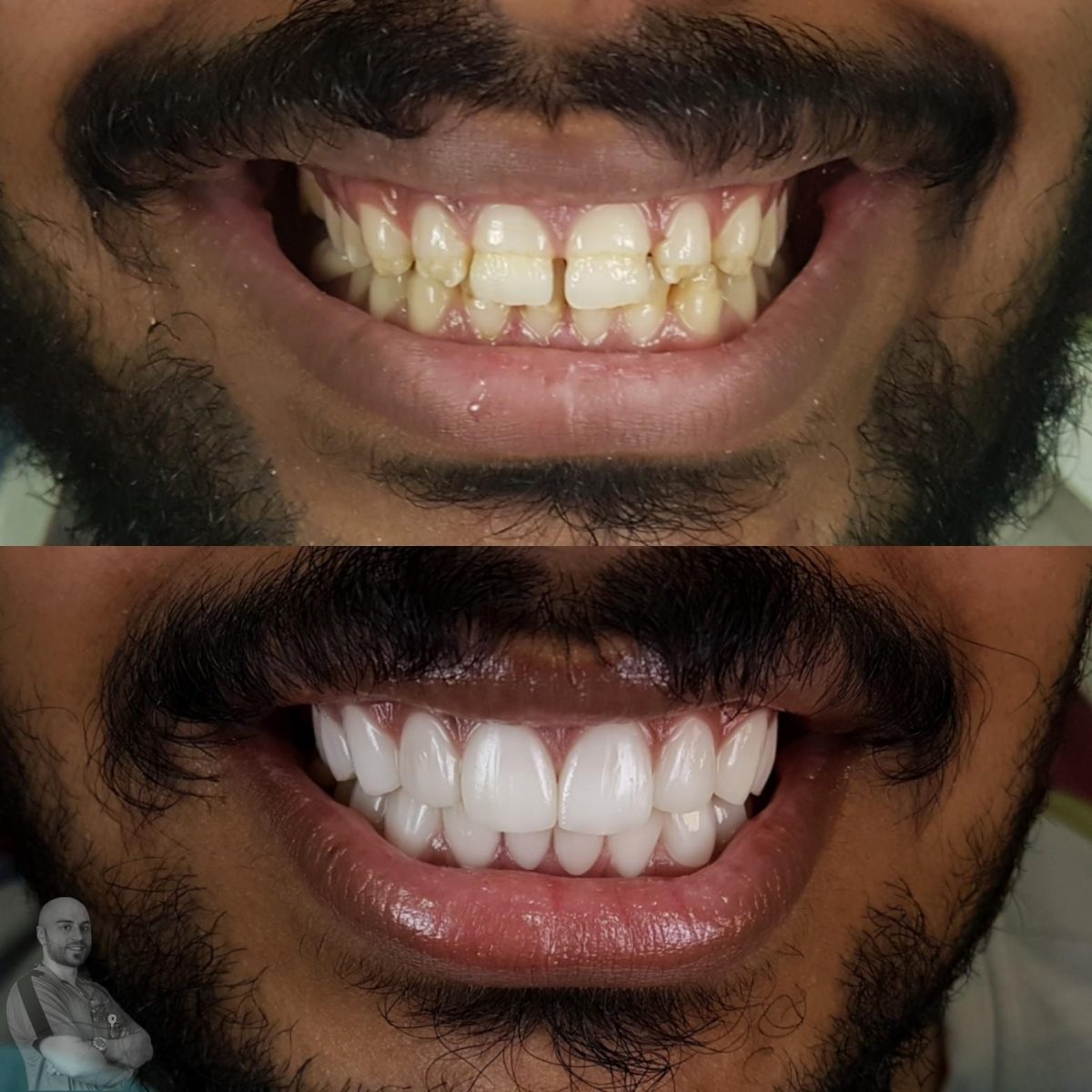
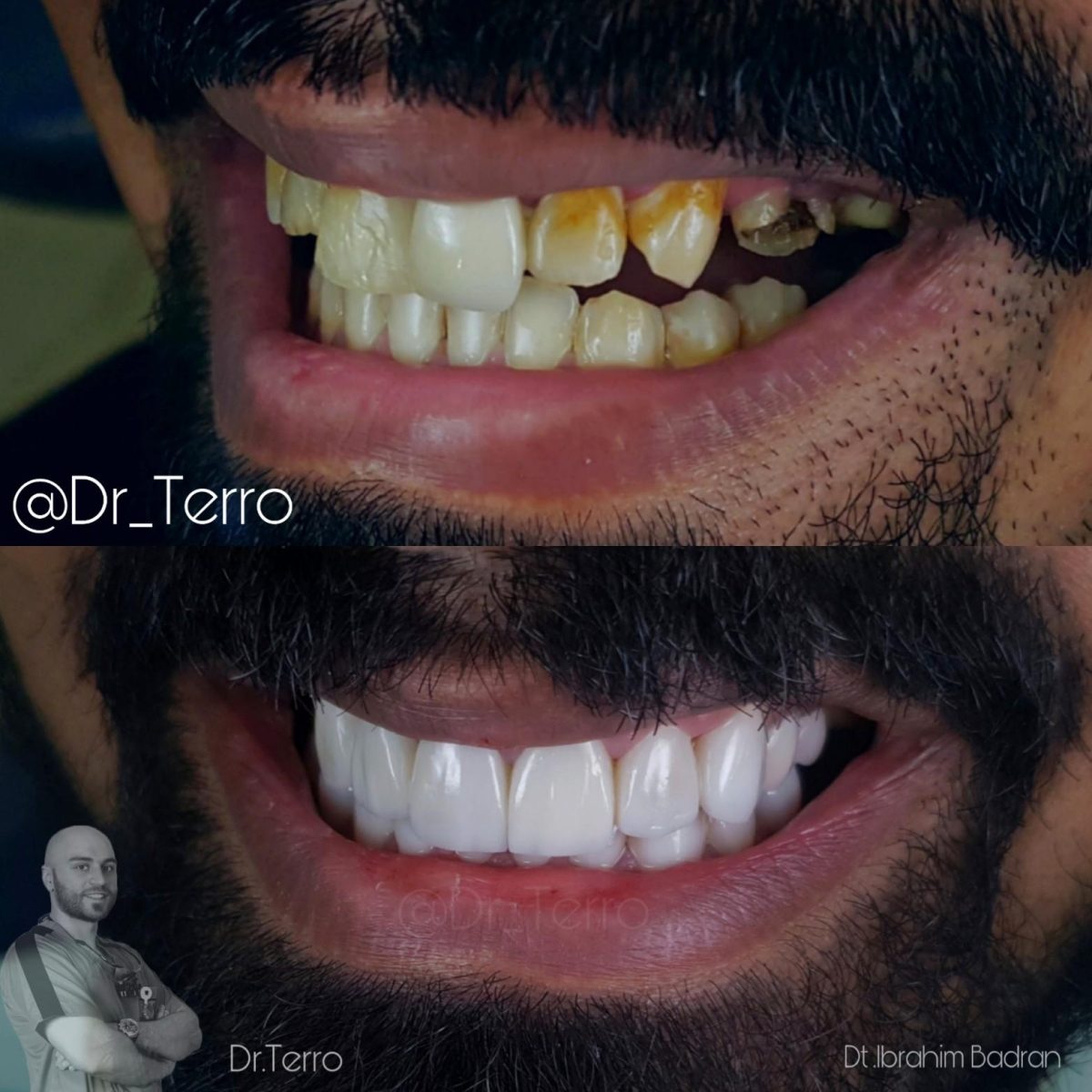
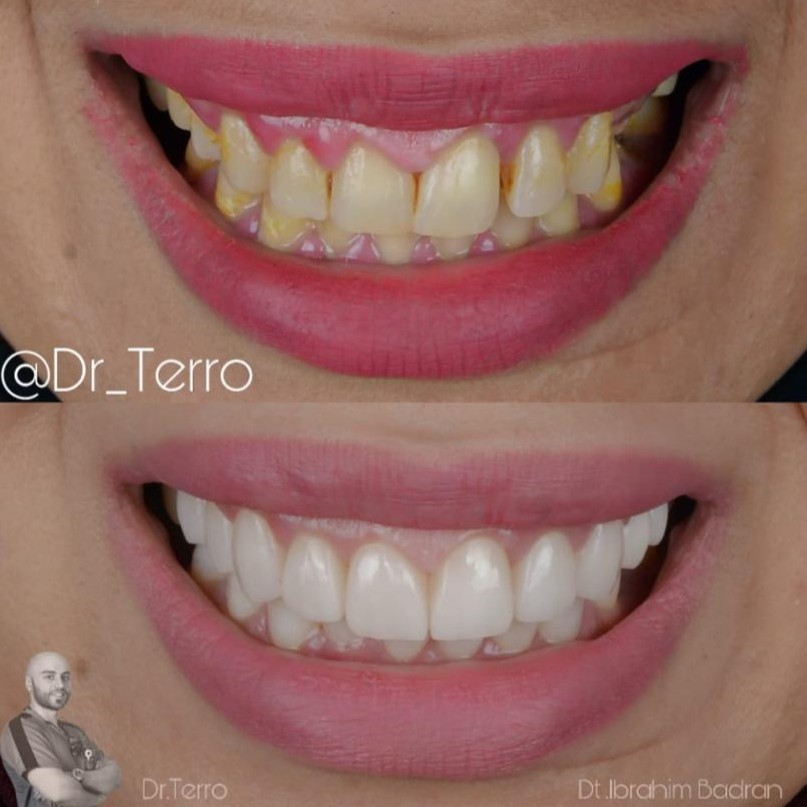
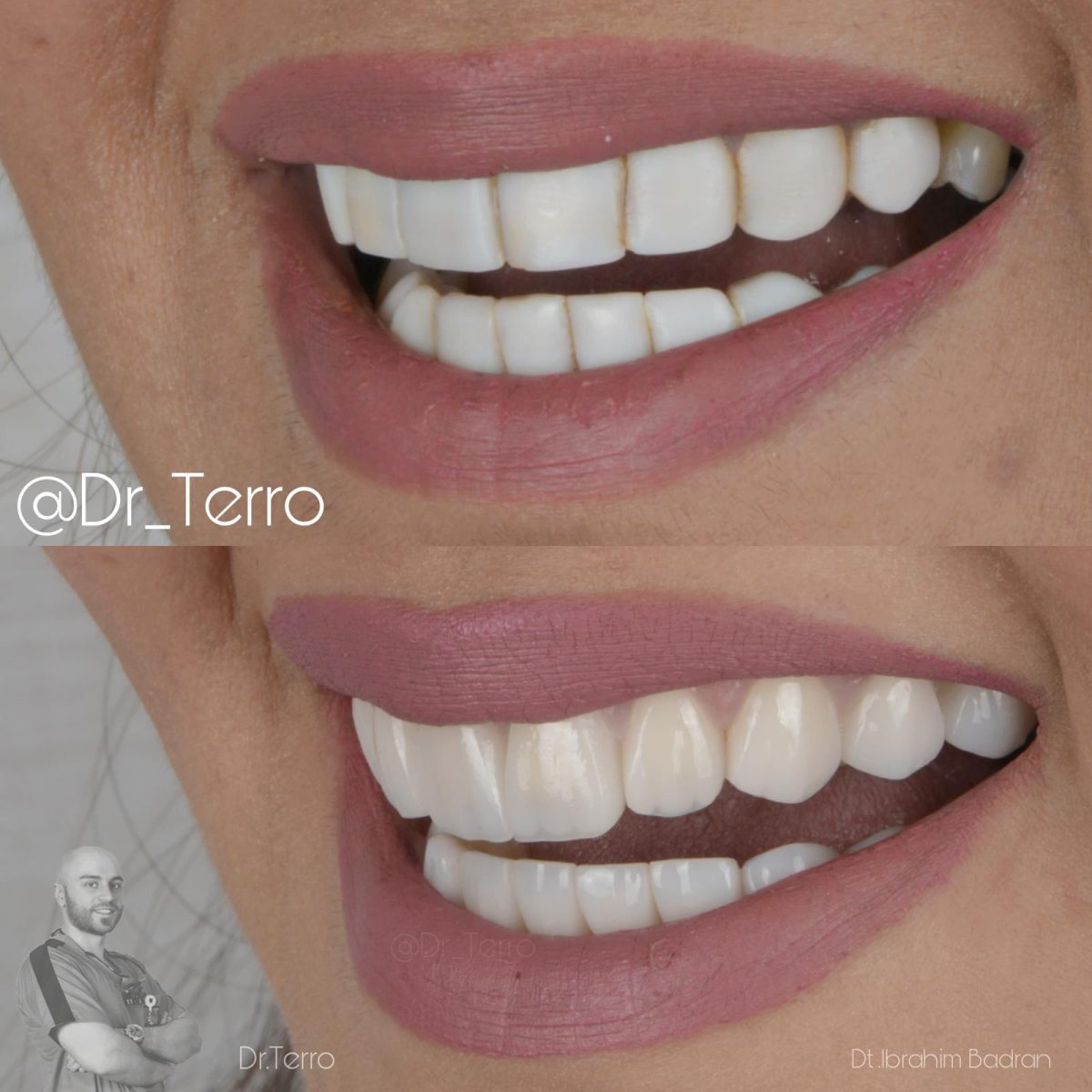
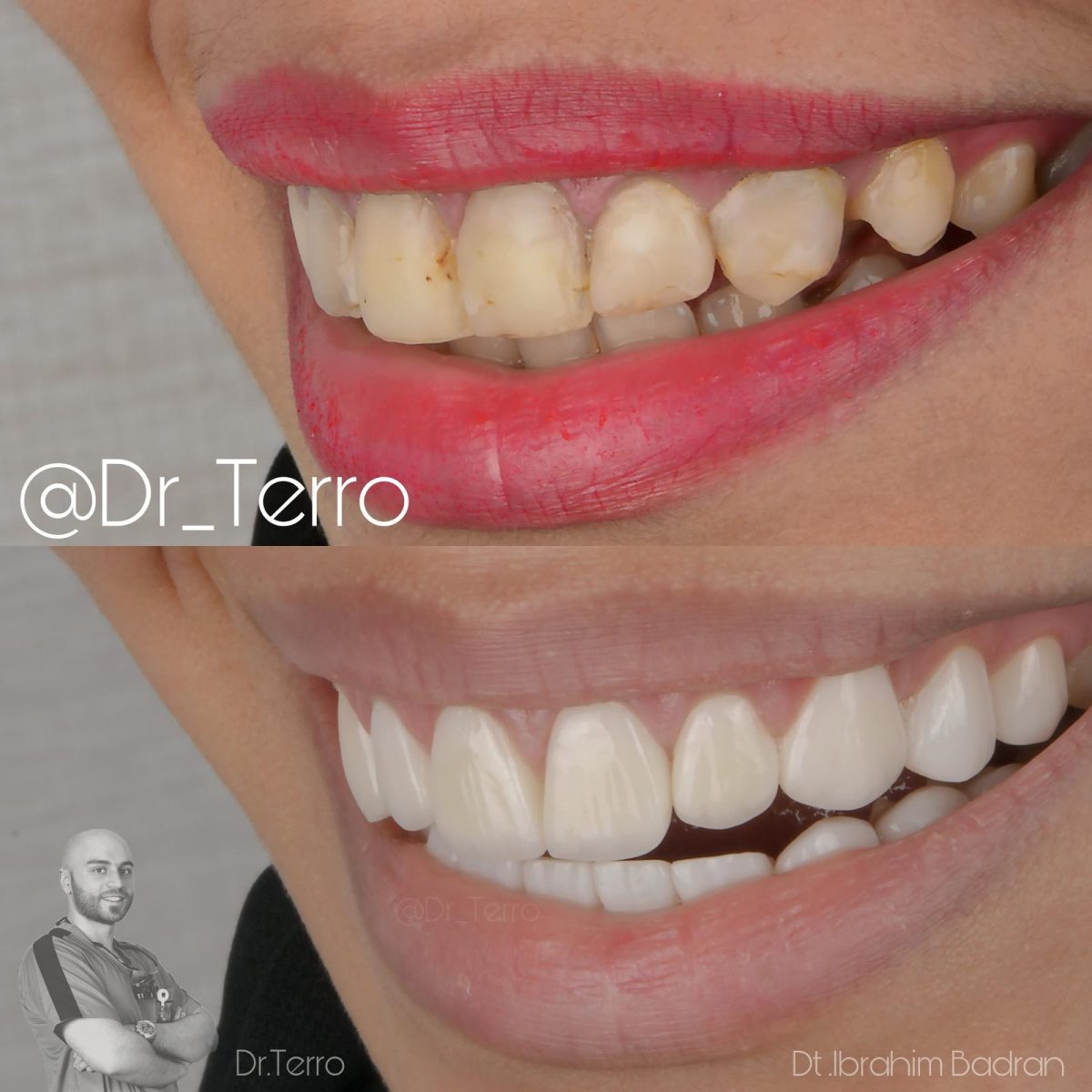
Veneers are a popular and effective way to improve your smile. These thin composite or porcelain shells allow us to easily adjust the position, shape and colour of your teeth. This enables us to repair crooked or broken teeth and whiten them by several shades. The shells are carefully placed over your own teeth and shaped to fit perfectly. Want to smile with confidence? Make an appointment or register now!

  • Achieve bright white teeth after just one treatment!
  • We have space for new patients!
  • Our dental care has an average rating of 9.8.
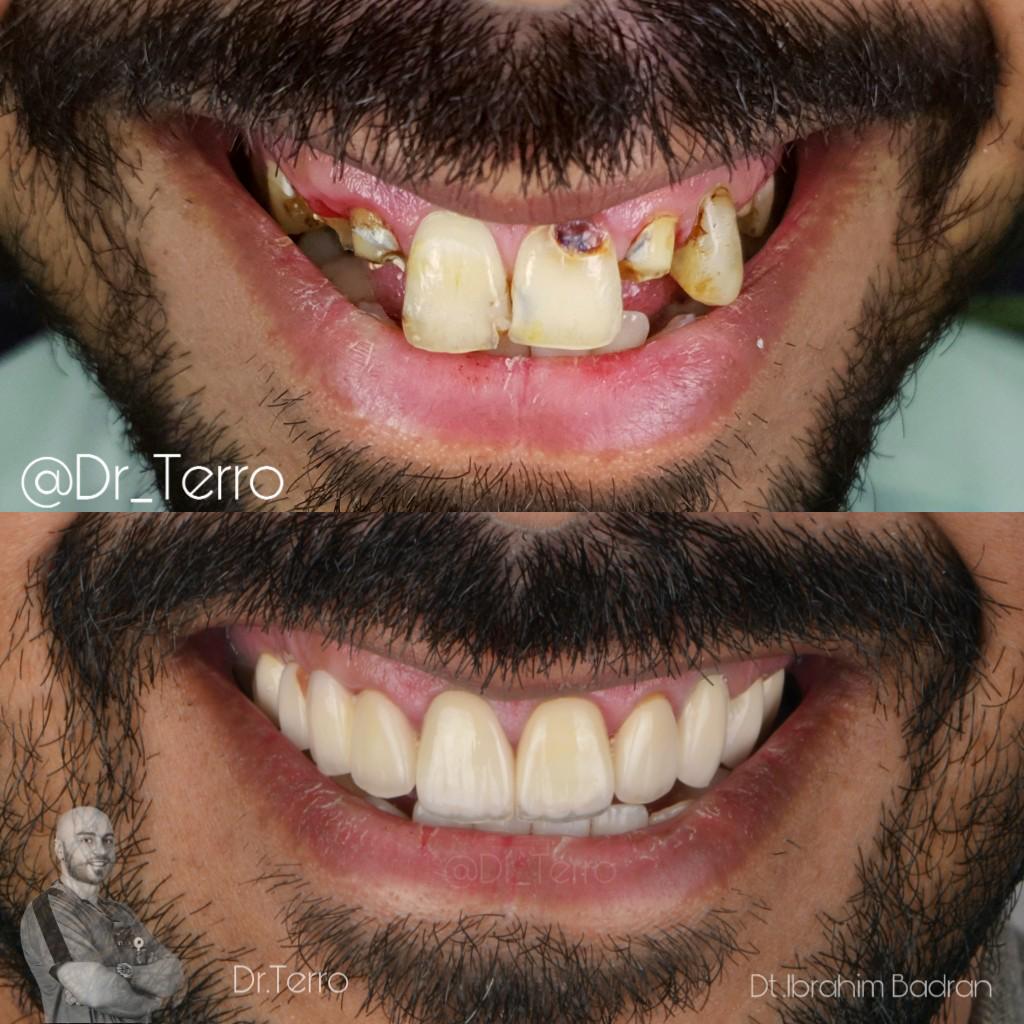
What are veneers?

They are thin shells made of composite or porcelain that are placed on the front of your teeth. They act as a protective layer, hiding irregularities and giving your teeth a more attractive shape and colour. This enables us to create a natural-looking, even and radiant smile that will remain beautiful for years to come. Veneers are an effective solution for:

  • adjusting the shape of a tooth;
  • whitening yellow or brown teeth;
  • filling a gap between teeth;
  • repairing a broken tooth;
  • concealing a crooked tooth.
Image Image Image

Composite veneers

Composite veneers are thin layers of tooth-coloured filling material that are applied directly to your teeth to improve their shape and colour. During a single appointment, we will select the desired shade together and carefully apply the composite with an adhesive layer. We then cure the material with a special lamp and grind it into the correct shape. This gives you a beautiful, natural-looking smile quickly and easily.

Advantages of composite veneers:

  • Placed in a single appointment.
  • They are relatively inexpensive compared to porcelain veneers.
  • Colour and shape can be easily adjusted or restored.
  • They have a natural appearance that matches your teeth.

Disadvantages of composite veneers:

  • Less durable than porcelain (average lifespan of 5–7 years).
  • More susceptible to discolouration from coffee, tea or smoking.
  • May wear or become damaged more quickly than porcelain.

Steps for placing composite veneers

Step 1: Creating a treatment plan

During the first appointment, we will carry out a brief oral examination and discuss your requirements. We will then determine which colour best suits your own teeth. We will then draw up a treatment plan and schedule an appointment to place the veneers.

Step 2: Preparing the teeth

Before we can place the veneers, we will prepare the teeth to be treated. The advantage of composite veneers is that your own teeth remain intact. We will not grind anything off your teeth.

Step 3: Bonding the veneers

To ensure the veneer adheres well to the tooth, we apply a bonding layer. We then apply the veneer layer by layer. This enables us to ensure that the veneers fit your teeth perfectly.

Step 4: Grinding the veneers into the correct shape

Once all the layers have been applied and hardened, we grind the veneers into the correct shape. We also polish the surface to achieve an attractive finish. After placement, you can eat and drink as normal right away. However, be careful when drinking hot beverages until the anaesthetic has worn off.

Porcelain veneers

Porcelain veneers are custom-made, thin shells made of high-quality ceramic that fit over your teeth. You will need to visit our practice twice for this procedure. During the first appointment, we will take an impression of your teeth and help you choose the right colour. The veneers are then custom-made in a dental laboratory. During the second appointment, the dentist will carefully place the veneers on your teeth and secure them with a strong adhesive.

Advantages of porcelain veneers:

  • Highly durable (average lifespan of 10–15 years).
  • Resistant to discolouration from coffee, tea or smoking.
  • They have a natural and aesthetic appearance thanks to the high-quality ceramic used.
  • They are more wear-resistant and stronger than composite veneers.

Disadvantages of porcelain veneers

  • More expensive than composite veneers.
  • Treatment requires at least two appointments.
  • Repair or replacement is more complex than with composite veneers.

Steps for placing porcelain veneers

Step 1: Determining the right colour

During the first appointment, we carry out a brief oral examination, just as we do for composite veneers. We will then work with you to determine the colour and draw up a treatment plan. We then schedule an appointment to place the veneers.

Step 2: Roughening the teeth

Before we can place the veneers, we prepare the teeth to be treated. Porcelain veneers always need to be half a millimetre thick. This means that we will need to grind down your teeth slightly. Once your teeth have been prepared, we will provide you with a temporary restoration to protect them.

Step 3: Having the veneers made

During this consultation, we will make a plaster mould of your teeth immediately. This will then be sent to the laboratory so that the dental technician can create veneers that are the correct shape and colour. Once the veneers are ready, they will be sent to us so that we can fit them. The follow-up appointment will take place after two to three weeks.

Step 4: Placing the veneers

On the day of placement, we will first remove the temporary restoration. We will then treat your teeth with a dental etch. This roughens your teeth. We then apply an adhesive layer and place the veneers. After placement, you can eat and drink as normal again. However, be careful with hot drinks until the anaesthetic has worn off.

Image Image Image

Want a bright, white smile? Make an appointment today!

Book your consultation at iSmile today and receive expert advice from our experienced dentists. Together, we will determine the best treatment for you.

Take a look at our practices

Amsterdam-West

Our practice in Amsterdam West is easily accessible for drivers, cyclists and public transport users.

Car
If you’re driving, parking is available at Parking Bos en Lommerplantsoen or in the Mobypark – Zahia’s car park, both of which are within walking distance of the practice.

Bike
If you’re arriving by bicycle, there is space to park it in front of the entrance.

Public transport

The nearest public transport stops are Erasmusgracht and Bos en Lommerplein, a few minutes’ walk from the practice.

Visit iSmile Dental Practice in Amsterdam-Zuid

Our Lutmastraat practice in Amsterdam South is easily accessible by car, bicycle or public transport.

Car
If you’re travelling by car, there is ample parking available on the street close to the practice.

Bike
If you’re travelling by bicycle, you can easily park it in the racks across the street.

Public transport
The De Pijp and Cornelis Troostplein stops are both within walking distance of the practice.