Wisdom tooth extraction in Amsterdam: Safe and virtually painless

Are you experiencing problems with your wisdom teeth or painful molars? At iSmile Dental Practice in Amsterdam, our experienced dentists can safely and quickly remove your wisdom teeth and molars with minimal discomfort. Our experienced dentists will guide you through the process step by step, so you can undergo treatment with confidence and peace of mind. Book your appointment today and have your tooth extracted in Amsterdam.

  • Open to new patients
  • Rated 9.8 by our patients
  • Get rid of painful molars quickly and safely

Why have your wisdom teeth removed?

Not all wisdom teeth need to be removed. Sometimes they grow in properly without causing any problems. However, it is advisable to have them removed in the following situations:

  • The wisdom teeth are growing crookedly against other teeth.
  • There isn’t enough space in the jaw.
  • You are experiencing pain, swelling or inflammation.
  • The wisdom tooth has not fully erupted, making it difficult to clean properly.

Having your wisdom teeth removed in a timely manner can prevent infections, gum problems and damage to surrounding teeth.

We extract a regular molar in some cases due to:

  • Tooth decay.
  • An infection.
  • Inflammation.
  • Damage caused by an impact, such as a fall.
  • Severe gum disease.
  • Lack of space in the mouth.

Wisdom tooth extraction: The procedure

The procedure varies depending on the situation. For example, it is more complex if the wisdom teeth are not upright or have not fully erupted. If your wisdom tooth is still impacted, we will refer you to an oral surgeon.

1. Preparation and explanation

First, we’ll go over the treatment with you in detail. This way, you’ll know exactly what to expect. We will explain the anaesthesia, the treatment process and the recovery time. You will also have the opportunity to ask the dentist any questions you may have.

2. Anesthesia

You will receive a local anesthetic before the procedure. This will ensure that you do not feel any pain during the procedure. We will not begin the procedure until the anesthetic has taken full effect.

3. Tooth extraction

Depending on the tooth’s location, this procedure may be simple or require minor surgery. Sometimes, we make a small incision in the gum to remove the tooth in pieces, in order to prevent damage.

4. Stitches

After extracting the tooth, the dentist will assess whether stitches are required. We use dissolvable stitches that will dissolve once the gum has healed.

Pain after treatment

The anaesthetic will wear off after about two to three hours. You may experience pain for 4 to 5 days afterwards. You can take paracetamol or ibuprofen to relieve the pain. Please feel free to contact us if the pain persists.

Post-Treatment Bleeding

It is normal for your saliva to be slightly red for the first few days after treatment. This is normal. However, if there is more blood than saliva in your mouth, bite down on a piece of gauze for half an hour. If you are concerned that you are experiencing post-treatment bleeding, please contact us for advice or to arrange an appointment.

Tips for a quick recovery

If you wish, you can take paracetamol or ibuprofen (but not aspirin) before the procedure to minimise post-treatment pain.

  • You are welcome to listen to music with earbuds during the procedure.
  • Do not eat or drink anything hot while your cheek is still numb.
  • Use an ice pack or a cold washcloth to cool your cheek and reduce swelling.
  • Avoid drinking alcohol or smoking for the first 48 hours after treatment.
  • Avoid strenuous activity for the first three days after treatment.
  • Be careful when brushing your teeth.
  • Do not rinse the affected area on the first day after treatment to allow the blood from the wound to clot.

How much does it cost to have a molar extracted?

Our fees are based on the We always provide a cost estimate in advance. The cost of extracting molars for children under 18 is covered by basic health insurance. You can purchase additional insurance to cover dental costs, meaning these will be partially or fully reimbursed by your health insurer.

That’s why you should choose iSmile Dental Practice:

  • Sedatives, nitrous oxide and general anaesthesia are available.
  • Our dentists are friendly and knowledgeable.
  • We specialise in treating dental anxiety.

Are you suffering from a toothache or an infection?

Make an appointment now, as a persistent toothache may indicate an infection that won’t go away on its own. Don’t wait too long, as early treatment can prevent the problem from getting worse. Book an appointment for a check-up right away, or register with our dental practice in Amsterdam-Zuid or Amsterdam-West.

Frequently Asked Questions About Tooth Extraction in Amsterdam

Can dentists extract teeth themselves?

Yes, in most cases, our dentists can extract wisdom teeth themselves. This is especially the case if the tooth has fully erupted and is straight. However, in complex cases, such as a tooth that is crooked or hidden under the gum, we will refer you to an oral surgeon. This ensures you receive safe treatment.

Can you eat after a tooth extraction?

Yes, but only once the tooth has been extracted. We recommend starting with cold, soft foods such as applesauce, smoothies or yoghurt. Once the anaesthetic has worn off, you can resume eating warmer and harder foods. Be sure to keep the wound clean after eating and drinking.

When is a molar beyond saving?

A molar is beyond saving if:

  • There is severe damage to the dentin or root.
  • There is a deep infection in the tooth or you have an abscess.
  • There is severe decay affecting the tooth.
  • A serious fracture of the tooth has occurred.

In these cases, extracting the tooth is the best option to prevent pain, infection or damage to the surrounding teeth.

Onze tandartspraktijken in Amsterdam

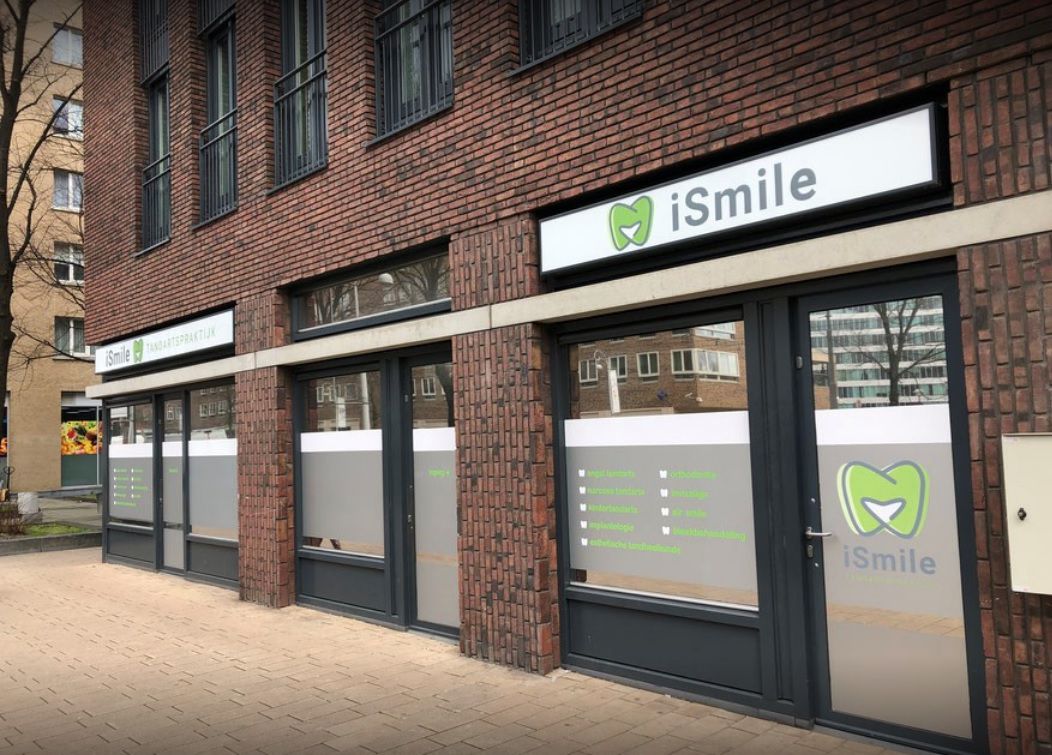
iSmile Dental Practice, Amsterdam-West

We are located in Bos en Lommer and are easily accessible by car, bicycle and public transport.

iSmile Dental Practice, Amsterdam-Zuid

We are located on Lutmastraat, near De Pijp. The practice is easily accessible by car, bike and public transport.